In this episode of the MCAT Prep Pod Biology Review, we provide a comprehensive overview of the endocrine system, the body’s intricate network of glands and hormones. We begin by contrasting the endocrine system’s chemical signaling with the nervous system’s rapid electrical communication, highlighting the unique roles of each in maintaining homeostasis.
The episode then delves into the three main classes of hormones: peptides, steroids, and amino acid-derivatives. We explain their chemical structures, synthesis, transport mechanisms, and modes of action, including the roles of cell surface receptors, intracellular receptors, and second messengers like cAMP and IP₃. We also explore how hormones are regulated through negative and positive feedback loops, ensuring a stable internal environment.
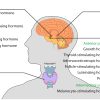
Next, we embark on a detailed tour of the major endocrine glands, starting with the hypothalamus and its control over the anterior and posterior pituitary glands. We cover the functions of the six major anterior pituitary hormones (FSH, LH, ACTH, TSH, prolactin, and GH) and the two posterior pituitary hormones (ADH and oxytocin). The discussion continues with the thyroid and parathyroid glands, explaining their roles in metabolism and calcium regulation through T3, T4, calcitonin, and PTH. We then explore the adrenal cortex and medulla, detailing the functions of aldosterone, cortisol, androgens, epinephrine, and norepinephrine in stress response and fluid balance. The pancreas is examined next, with a focus on insulin, glucagon, and somatostatin in glucose homeostasis. We also briefly revisit the gonads and the role of the pineal gland in regulating circadian rhythms.
The episode then synthesizes this information by explaining major regulatory pathways, including the Hypothalamic-Pituitary-Adrenal (HPA) axis, the Hypothalamic-Pituitary-Gonadal (HPG) axis, the Hypothalamic-Pituitary-Thyroid (HPT) axis, and the Renin-Angiotensin-Aldosterone System (RAAS). Finally, we discuss several high-yield endocrine disorders, such as diabetes mellitus, thyroid disorders, adrenal cortex disorders, and growth hormone disorders, providing essential clinical context for the MCAT.
Tagged as: LH, pituitary gland, TSH, negative feedback, epinephrine, thyroid gland, prolactin, biology review, positive feedback, endocrine system, norepinephrine, parathyroid glands, growth hormone, cell signaling, hypothalamus, hormones, T3, adrenal glands, melatonin, second messengers, MCAT prep, T4, pancreas, diabetes mellitus, GPCR, PTH, HPG axis, pineal gland, thyroid disorders, receptor tyrosine kinase, Gonads, calcitonin, HPA axis, adrenal disorders, insulin, glands, ADH, HPT axis, growth hormone disorders, glucagon, peptide hormones, FSH, RAAS, cortisol, steroid hormones, oxytocin, aldosterone, amino acid-derivative hormones, ACTH.


Post comments (0)