This episode of the MCAT Prep Pod Biology Review continues our exploration of the cardiovascular system, moving from the heart out into the blood vessels, blood, and key physiological processes. We begin by tracing the path of blood through arteries, muscular arterioles (resistance vessels), and vast networks of capillaries, where Starling forces govern the exchange of nutrients and waste. The journey concludes in the veins, the body’s compliant capacitance vessels.
Next, we break down blood pressure, defining systolic, diastolic, and Mean Arterial Pressure (MAP). We explain how pressure is tightly regulated through both short-term mechanisms, like the baroreceptor reflex, and long-term control by the kidneys and key hormonal systems, including the Renin-Angiotensin-Aldosterone System (RAAS) and Atrial Natriuretic Peptide (ANP).
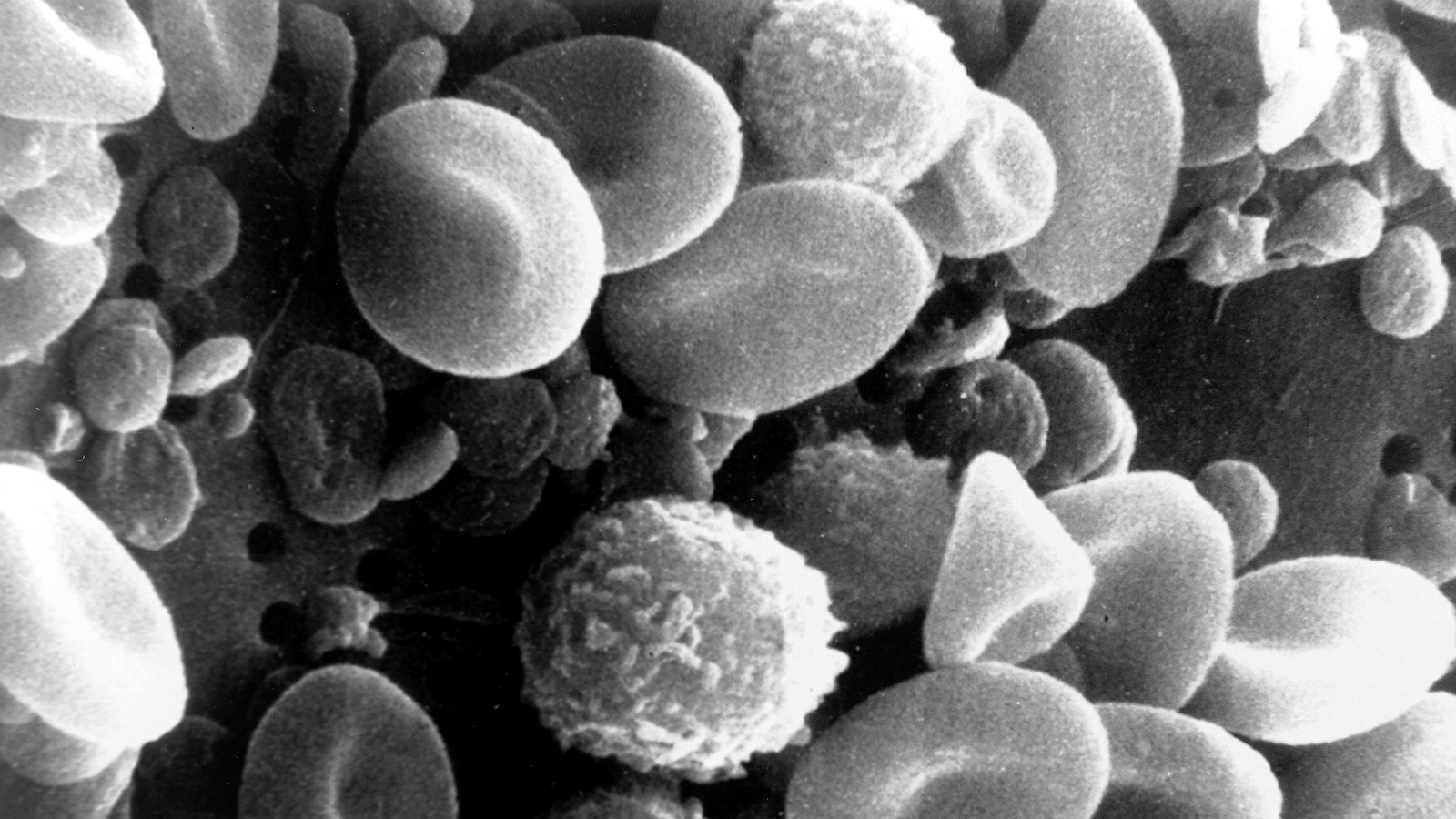
The discussion then moves to the composition of blood itself. We detail the components of plasma and the formed elements, red blood cells, white blood cells, and platelets. This section includes an explanation of the ABO and Rh blood typing systems and their clinical relevance in hemolytic disease of the newborn. We then take a deeper look at hemoglobin, explaining its cooperative binding and the sigmoidal oxygen-hemoglobin dissociation curve. You’ll learn the difference between the Bohr effect and the Haldane effect, and master the factors that cause right and left shifts using the “CADET face Right!” mnemonic.
We also cover two specialized topics essential for the MCAT: fetal circulation, detailing the three shunts that bypass the liver and lungs before birth, and hemostasis, outlining the coagulation cascade that leads to the formation of a stable fibrin clot. Finally, we integrate these concepts by discussing common cardiovascular disorders and how they are often framed on the MCAT in the context of different shock states (hypovolemic, cardiogenic, and distributive) and their distinct physiological patterns.
Tagged as: baroreceptor reflex, MCAT biology, coagulation, ANP, hemostasis, blood composition, fetal circulation, plasma, cardiovascular disorders, red blood cells, shock, blood vessels, hemoglobin, hypovolemic shock, arteries, cardiogenic shock, veins, oxygen-hemoglobin dissociation curve, distributive shock, capillaries, Bohr effect, Starling forces, blood pressure, Haldane effect, RAAS, MAP, blood clotting.


Post comments (0)