
12 – Respiratory System
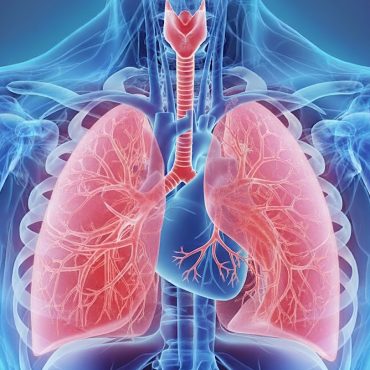
This episode covers respiratory anatomy, the mechanics of breathing, lung volumes, gas exchange driven by partial pressures, O₂ and CO₂ transport (including the bicarbonate buffer system), and the regulation of […]
 play_arrow
play_arrow
play_arrow
13 – Renal and Excretory System
Mark
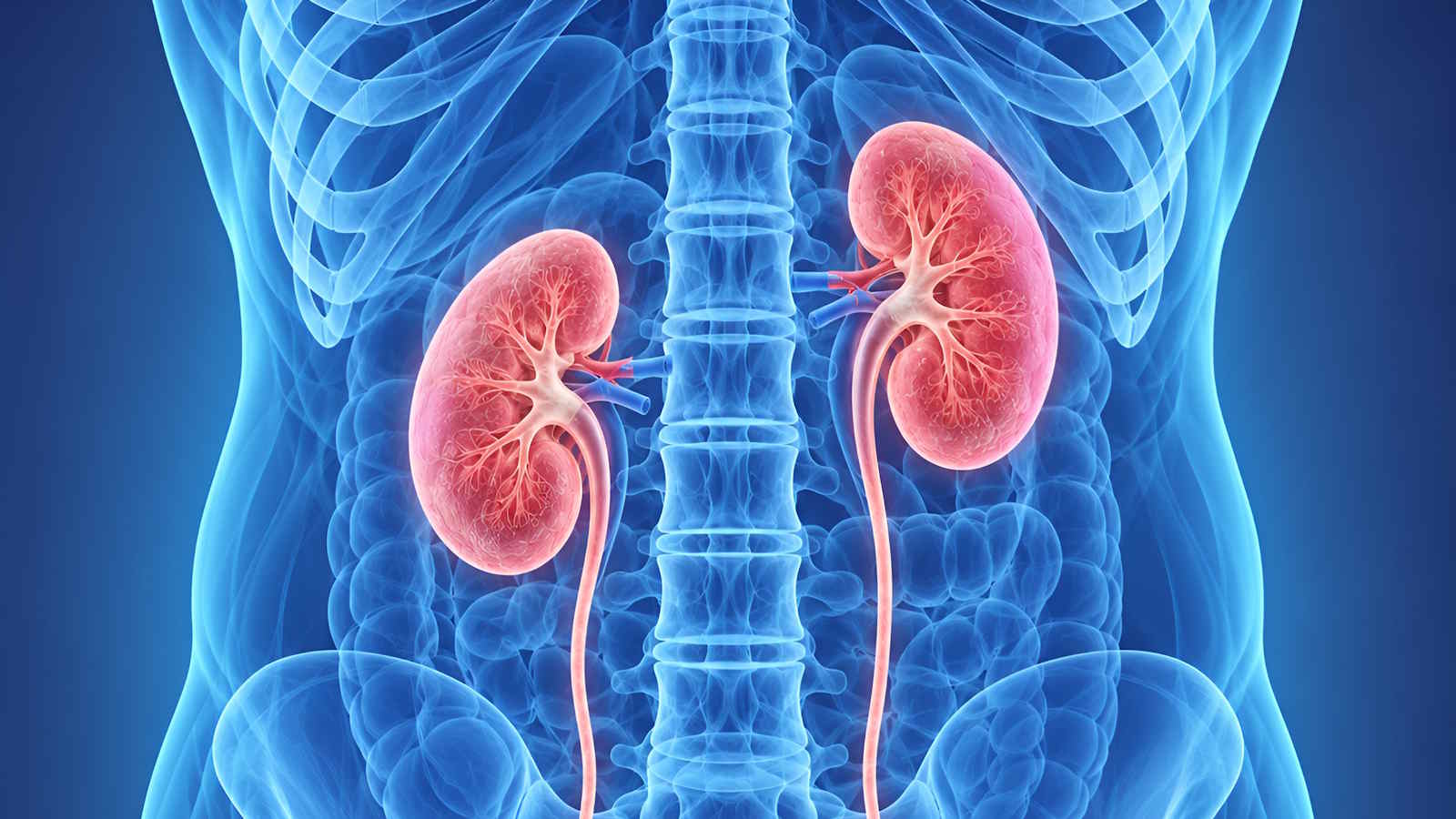
In this episode of MCAT Prep Pod Biology Review, we follow the path from blood to urine to explain how the kidneys remove waste while keeping water, electrolytes, and blood pH in balance. We start with renal anatomy, then work through the nephron and the four processes that determine what leaves the body: filtration, reabsorption, secretion, and excretion.
Much of the episode focuses on what happens along the renal tubules. We explain how the loop of Henle builds the concentration gradient needed to conserve water, how the vasa recta preserves it, and how ADH controls water reabsorption in the collecting duct. We also connect the major diuretic classes to their sites of action, including why loop diuretics and thiazides have opposite effects on calcium excretion.
From there, we cover hormonal regulation through RAAS, aldosterone, ANP, and PTH, along with the kidney’s role in acid excretion and bicarbonate balance. We finish by applying the physiology to kidney injury, urine findings, and common disorders—including nephrotic versus nephritic syndrome and diabetes insipidus versus SIADH.
This episode covers respiratory anatomy, the mechanics of breathing, lung volumes, gas exchange driven by partial pressures, O₂ and CO₂ transport (including the bicarbonate buffer system), and the regulation of […]
Post comments (0)